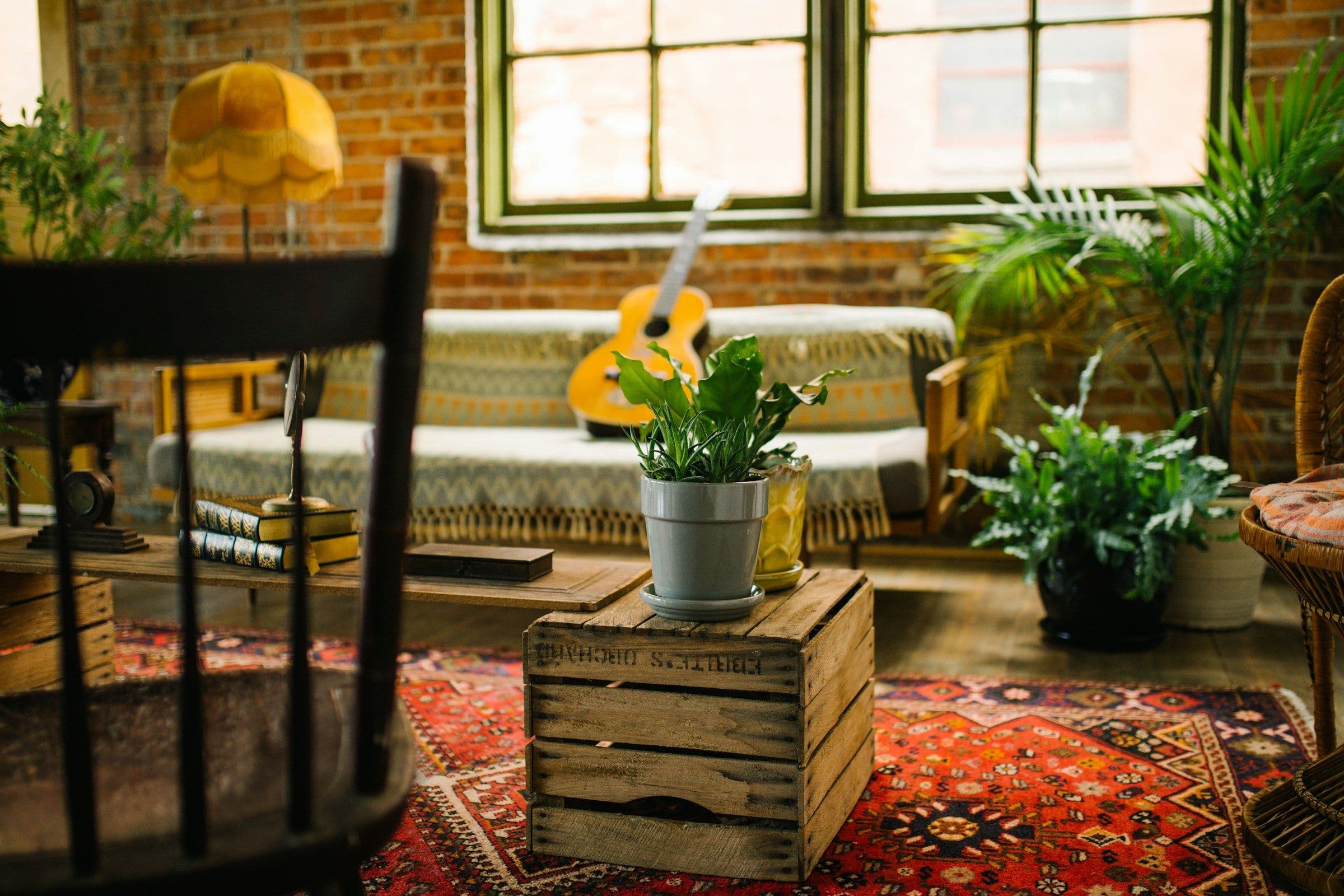
The easiest statement plant is not the one advertised as impossible to kill. It is the one whose light needs, mature footprint, and watering pattern match the place where you intend to keep it. For a narrow lower-light position, start with a snake plant or ZZ plant. For a brighter room and a more tree-like outline, consider a rubber plant. Cast-iron plant, parlor palm, and ponytail palm cover quieter shade, softer foliage, and sunny dry conditions.
A statement plant does not have to be enormous. One clear silhouette, a believable pot, and enough open space around the leaves can have more presence than a large plant squeezed behind furniture. Buy for the room you have, not the greenhouse photograph on the label.
What makes a statement plant beginner-friendly?
Beginner-friendly should mean that a plant tolerates a reasonable range of ordinary indoor conditions, communicates its needs clearly enough to learn from, and does not require constant humidity control, specialist water, or frequent intervention. It does not mean that light and drainage stop mattering.
The Royal Horticultural Society recommends choosing houseplants for the conditions in the exact location, because light, temperature, and humidity vary across a home. University of Minnesota Extension similarly sorts indoor plants by the light environment that supports their best growth. A plant that merely survives a dim position may become thin, lean toward the window, or stop producing the dense foliage that made it a statement plant in the first place.
Before shopping, observe the intended spot through a normal day. Check the window direction, distance from glass, seasonal sun, nearby heating or air-conditioning vents, and the space required to walk and open doors. Then measure the maximum pot width and leaf spread the room can accept. These two checks eliminate more bad choices than any list of supposedly easy plants.
Snake plant: the strongest narrow silhouette
Snake plant, now commonly classified as Dracaena trifasciata and still widely sold as Sansevieria, is the clearest choice when floor space is limited. Its stiff, pointed leaves rise from the base rather than branching outward, so a mature clump can give an empty wall or corner a strong vertical line without taking over the path beside it.
The RHS describes snake plants as resilient, low-maintenance choices for beginners that tolerate bright or lower light and ordinary household humidity. They grow best with more useful light than the phrase “low-light plant” sometimes implies. In a very dim position, expect slower growth and less vigorous pattern or color. If the plant is intended to fill a tall visual role, place it where it can maintain that density.
The common beginner error is watering too often. The fleshy leaves store water, and the roots need a free-draining mix in a pot with a working drainage hole. Let the mix dry substantially before watering again, and reduce frequency as light and growth slow. A calendar cannot account for pot size, season, or room temperature.
Choose snake plant when you want a narrow, architectural shape and are more likely to forget a watering than to water compulsively. Do not choose it for a pet that chews foliage: the ASPCA lists snake plant as toxic to cats and dogs if eaten.
ZZ plant: glossy structure for lower-light rooms
ZZ plant (Zamioculcas zamiifolia) creates a fuller, more polished shape than snake plant. Thick upright leaves carry rows of glossy leaflets, producing a substantial outline without the delicate edges or humidity demands associated with many tropical foliage plants. A healthy floor-sized specimen can anchor a sideboard, desk end, or quiet corner.
North Carolina Extension identifies ZZ plant as a slow-growing, low-maintenance houseplant that tolerates low light but does best in bright indirect light. Its fleshy rhizomes and leaves store water. Use well-drained potting mix, allow it to dry between waterings, and avoid letting the container remain wet. Low light makes that drying period longer, not shorter.
This is a useful choice for someone who wants deep green foliage with little pruning. Its slow growth also means the composition is unlikely to change dramatically in a few months. The tradeoff is patience: buying a very small plant and expecting a floor-level statement quickly will be disappointing.
ZZ plant contains calcium oxalate and is not a good choice where a child or pet is likely to chew it. North Carolina Extension lists it as having medium toxicity to cats and dogs. Place it genuinely out of reach or choose one of the pet-safer options below.
Rubber plant: an approachable indoor tree
Rubber plant (Ficus elastica) is the best step toward a real indoor-tree silhouette without beginning with the more temperamental reputation of a fiddle-leaf fig. Its large, glossy leaves make even a relatively young plant read as substantial, while pruning or stem selection can produce either a bushier form or a tall, restrained outline.
The RHS describes rubber plant as robust and easy when given bright, filtered or indirect light. North Carolina Extension advises a well-drained potting mix, regular but not excessive watering, protection from cold drafts, and a stable position. This is not the choice for a dark corner simply because a mature specimen looked good there in a photograph.
Let the upper mix begin to dry, then water thoroughly and allow the excess to escape. Avoid alternating prolonged drought with a constantly wet root zone. Wipe broad leaves when dust visibly dulls them; clean leaves preserve the plant's strongest design feature without adding decorative products.
Choose a single-stem or lightly branched plant for a narrow tree effect, and confirm the mature canopy will not block a door or window. Rubber plant sap can irritate skin, and Ficus is a concern around children, cats, and dogs. Wear gloves when pruning and choose a different plant if chewing is likely.
Cast-iron plant: calm foliage for a quieter position
Cast-iron plant (Aspidistra elatior) is less fashionable than a giant split-leaf plant, which is part of its value. Long, leathery leaves rise independently from the soil to form a calm, dense clump. The result feels substantial without looking tropical or theatrical, especially in traditional rooms, shaded halls, and spaces with dark wood or stone.
University of Minnesota Extension includes cast-iron plant among lower-light indoor choices. North Carolina Extension describes it as slow-growing, low-maintenance, tolerant of shade and occasional dryness, but still requiring well-drained soil. It dislikes direct sun, which can bleach or scorch the foliage.
Its limitation is speed. A small nursery pot will not rapidly become a large floor specimen, so buy the visual scale you need or accept a gradual result. The broad clump may also become wider than a snake plant or single rubber stem; measure the leaf spread rather than only the pot.
For homes with pets, cast-iron plant is a useful shortlist option. The ASPCA lists Aspidistra elatior as non-toxic to cats and dogs, while noting generally that eating any plant material can still cause gastrointestinal upset. Pet-safer does not mean edible, and a persistent chewer still needs separation from the plant.
Parlor palm: a softer, pet-safer statement
Parlor palm (Chamaedorea elegans) brings movement and fine texture where stiff vertical leaves would feel severe. Multiple young palms are commonly grown together in one pot, creating a full, arching outline that works beside seating or against a plain wall. It offers presence without the enormous spread of many palms sold for bright conservatories.
The RHS describes Chamaedorea palms as compact, long-lived, and easy to grow. North Carolina Extension recommends bright indirect light for best growth while noting tolerance of lower light. Use a well-drained mix, let the surface dry slightly between waterings, and protect the plant from cold drafts. Consistently saturated soil is a greater risk than missing a rigid weekly schedule.
Parlor palm is not maintenance-free. Spider mites and mealybugs can appear, particularly when a plant is stressed. Inspect the undersides of fronds and the leaf bases before buying and during routine care. Brown tips can have several causes, so do not respond automatically with more water.
North Carolina Extension states that parlor palm is not hazardous to pets, and the ASPCA lists it as non-toxic to cats and dogs. It is the best option here when you want a soft, palm-like silhouette and pet safety materially narrows the list.
Ponytail palm: sculptural form for a sunny position
Ponytail palm (Beaucarnea recurvata) is not a true palm. Its swollen base stores water, while long narrow leaves spill from the top like a fountain. That combination gives a small or medium plant a distinctive sculptural presence before it reaches floor-tree proportions.
This is the option for the brightest position in the list. North Carolina Extension recommends a sunny window, sharply drained soil suitable for cacti or succulents, deep watering followed by a drying period, and much less water in winter. The RHS likewise specifies full light and well-drained compost. A dim corner will not preserve the compact, strong form that makes the plant worth choosing.
Ponytail palm grows slowly. That makes it predictable in a carefully arranged room but means large specimens cost more because they represent years of growth. Keep the swollen base above the soil line, avoid an oversized wet pot, and give the arching leaves enough clearance from constant contact.
The ASPCA lists ponytail palm as non-toxic to cats and dogs. Cats may still be attracted to its grassy leaves, so physical placement matters even when poisoning is not the concern.
Match the plant to your habits, not your aspiration
If you have a narrow footprint, moderate light, and a tendency to water late, start with snake plant. If the room is lower-light and you want a broader glossy outline, choose ZZ plant. For bright indirect light and a tree form, rubber plant gives the most immediate visual weight. Cast-iron plant suits a slower, quieter shaded composition; parlor palm supplies soft movement and a pet-safer profile; ponytail palm belongs in the sunniest, driest position.
None is right for every beginner. Snake plant and ZZ plant suffer when kindness becomes constant watering. Rubber plant needs more light and stability than its easy-care label suggests. Cast-iron plant is patient but slow. Parlor palm needs pest checks and balanced moisture. Ponytail palm needs real brightness.
Buy one healthy plant from a reputable seller and inspect the leaves, stems, and soil before bringing it home. Keep it in a draining growing pot, even if that pot sits inside a decorative cachepot. For the first month, observe how quickly the mix dries and how the leaves orient toward light before changing the container or adding fertilizer.
Let one plant do the work
A beginner does not need a collection to make a room feel planted. One well-matched specimen can establish scale, soften a hard corner, or give a long wall a focal point. Leave open space around its outline and choose a planter that supports rather than competes with the foliage.
The most successful first statement plant is not the rarest, fastest-growing, or largest plant available. It is the plant that can remain healthy in the exact light you have, fit after its leaves expand, and tolerate the way you realistically care for it. When those conditions line up, “easy” becomes a useful description rather than a marketing promise.